


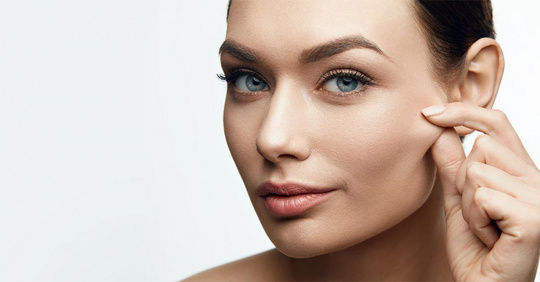
Collagen & Skin Ageing
Why do we need collagen?
Collagen is a natural substance found in the human body. It is a protein that is one of the main components of connective tissue, making up about 30% of all human proteins. Its main task is to connect cells with each other, which is why it is the building material of most organs, especially skin, bones and teeth, tendons, cartilage, blood vessels and corneas of the eye.
In the body of a young and healthy person, collagen is automatically produced and is constantly replaced, which constantly regenerates damaged tissues. With age, however, the body loses its ability to reproduce collagen fibers. This means that more collagen cells die naturally than are produced by the body. Research has shown that this begins to happen around the age of 26. This negative process is exacerbated by factors that most of us are exposed to, such as stress, disease, intense exercise, and even weather conditions. Collagen formation is disturbed, e.g. in the case of autoimmune diseases and as a result of the aging of the body.
What happens to collagen as we age?
After the age of 20, we produce an average of 1% less collagen in the dermis (deeper layers of the skin) each year. In most people, collagen production tends to drop drastically by the age of 40. The dermis can lose 20 to 80% of its thickness during the aging process. This gradual loss of collagen in the body is one of the main causes of common signs of aging such as: sagging skin, hair loss, regular joint pain, first wrinkles, stretch marks, cellulite, dry skin and loss of firmness. Reducing the amount of collagen in the body and the influence of free radicals, solar radiation or toxins make the skin age.
How can you increase collagen levels naturally?
Research confirms that red light therapy, also called laser light therapy, increases collagen production, reduces wrinkles and improves skin elasticity. Ginseng, which has antioxidant and anti-inflammatory properties, increases blood collagen levels and may have anti-aging effects. Hyaluronic acid, an important compound for collagen in the skin, is found in root vegetables, beans and supplements. Antioxidants, protecting against the harmful effects of free radicals, increase the effectiveness of collagen already existing in the body. Retinol is an antioxidant used to extend the life of collagen and block the enzymes that break it down. Aloe, MSM, or organic sulfur, when taken orally, almost doubled the production of collagen and hyaluronic acid in participants in one study. Consuming vegetables rich in vitamin C, such as tomatoes, cucumbers, peppers and broccoli, vitamin C protects the skin and helps to create more collagen in the body.
There are a number of treatments available to effectively increase the skin's natural collagen production. Microneedling is one of the treatments that has proven to be safe and effective, and fractional mesotherapy (a combination of micro-needling and mesotherapy) is very popular and effective in achieving positive results.
Consistent skin care at home can also play a significant role in maintaining skin health and slowing down the signs of aging. Creams containing peptides and growth factors are beneficial because they increase cellular communication, including the fibroblast cell which plays a vital role in the production of collagen.
The path to firm, strong, radiant skin begins inside your body because, as the saying goes, you are what you eat. The first thing to focus on is those bodily functions that can either be strengthened with a proper diet or that have already been weakened by a poor diet. Avoiding toxins is also extremely important as they can cause serious damage to the body.
Specific organs that are directly related to the production of collagen are:
- The small and large intestines, as they release nutrients into the body and move the food further until its remnants are expelled. Regularly disposing of your metabolic waste is crucial (which is one of the reasons fiber is so important). When debris of digested food remains in the body for too long, your complexion can become dull, oily, and blemish-prone.
- Well-functioning adrenal glands produce the necessary hormones, including DHEA, estrogen, testosterone, progesterone, and pregnenolone. Hormonal imbalances can lead to skin problems.
- The two organs responsible for constantly filtering pollutants from the body are the liver and the kidneys. A diet deprived of the right nutrients for a period of time can strain these vital organs and prevent them from functioning properly. This, in turn, can lead to problems with the skin starting to look unhealthy.
- Thyroid problems can also adversely affect the skin, lead to breakouts, and cause dry, itchy skin, dullness and wrinkles. Since the thyroid gland works closely with the adrenal glands, when one of these glands malfunctions, it often leads to problems with the other.